








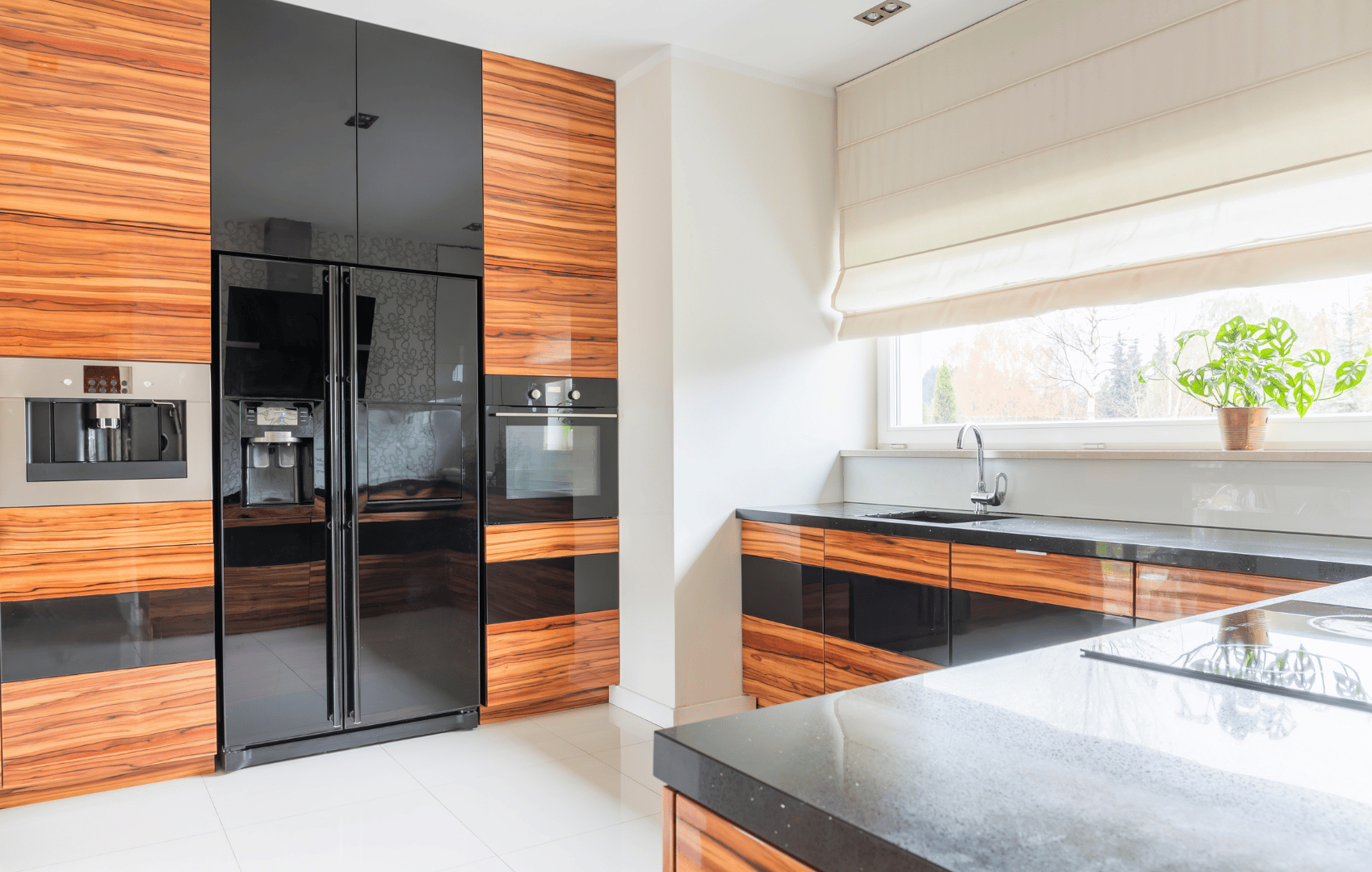

Maintaining food freshness is harder than most people expect, especially in warm, humid environments like Miami. Temperature swings, excess moisture, and inconsistent airflow inside a standard refrigerator can quietly shorten the life of fresh produce, dairy, meats, and leftovers. In South Florida, where refrigeration systems work harder year-round, these small inconsistencies tend to show up more quickly and more often, which makes your choice of refrigerator more important than it may first appear.
Unlike conventional refrigerators designed primarily around basic cooling and efficiency targets, Sub-Zero refrigeration is engineered with food preservation as the core priority. The goal is not simply to keep food cold, but to maintain stable temperature, balanced humidity, and clean internal air so food stays fresher, for much longer. These are the kinds of factors worth considering when choosing your next refrigerator, especially in a climate that places constant demands on refrigeration systems.
Understanding why Sub-Zero preserves food differently requires a closer look at what happens inside your refrigerator day after day. Design choices around airflow, moisture control, and system separation directly affect taste, texture, and shelf life, and exploring how these systems work helps explain why long-term freshness, not just appearance or features, sits at the very center of Sub-Zero’s value.
Key Takeaways
- Food spoils faster when temperature, humidity, and airflow fluctuate inside a refrigerator, especially in warm, humid environments like South Florida.
- Sub-Zero refrigerators are engineered specifically around food preservation, using dual refrigeration, air purification, and consistent temperature control rather than basic cooling alone.
- By maintaining stable humidity and cleaner internal air, Sub-Zero helps food retain taste, texture, and freshness longer while reducing spoilage and food waste.
Why Does Food Spoil Faster Than You Expect?
Food spoilage is often gradual and easy to miss. A head of lettuce may wilt earlier than expected, berries can develop mold within days, and meat may dry out or take on unpleasant odors. While these problems are easy to blame on the food itself, they more often stem from conditions inside the refrigerator.
Several internal factors commonly contribute to premature spoilage:
- Temperature Fluctuations: In many conventional refrigerators, cooling cycles vary throughout the day as doors open, food loads change, and air circulation is uneven. Even small temperature swings can accelerate bacterial growth and reduce shelf life.
- Humidity Imbalance: Excess moisture can cause certain foods to rot faster, while overly dry air can pull moisture out of produce, leading to dehydration, wilting, and texture loss.
- Odor Transfer and Airborne Gases: Ethylene gas released by fruits and vegetables, along with lingering food odors, can trigger premature ripening and flavor transfer between items stored near one another.
In South Florida homes, these challenges are amplified. Warm ambient temperatures, high humidity, and frequent refrigerator use place continuous stress on cooling systems, making it harder to maintain consistent conditions inside your refrigerator without specialized design.
What Makes A Sub-Zero Fridge Different?
Sub-Zero refrigerators are engineered around food preservation rather than basic cooling alone. Instead of relying on a single system to manage temperature, humidity, and airflow for the entire appliance, Sub-Zero uses specialized systems designed to control each variable independently.
This approach prioritizes long-term stability over short-term efficiency metrics. The result is an internal environment that changes slowly, responds more predictably, and maintains food freshness over extended periods.
Three core design elements explain the difference:
1. Dual Refrigeration
Dual refrigeration means the refrigerator and freezer operate on separate, independent cooling systems. In a conventional refrigerator, cold, dry air from the freezer circulates into the fresh food compartment. While effective for cooling, that dry air accelerates dehydration and moisture loss in produce and prepared foods.
By separating the systems, Sub-Zero keeps the refrigerator compartment at higher humidity while maintaining colder, drier conditions in the freezer. This balance helps vegetables stay crisp, meats retain moisture, and cheeses maintain proper texture.
Independent systems also reduce odor transfer and limit temperature disruption when doors are opened frequently, a common occurrence in busy households.
2. Advanced Air Purification
Air quality inside the refrigerator plays a larger role in food freshness than many people realize. As food is stored, it releases gases, bacteria, and odors that circulate and interact with other items.
Sub-Zero refrigerators use an advanced air purification system inspired by NASA-developed air scrubbing technology. This system actively cleans the air by removing ethylene gas, bacteria, mold spores, and odors as they circulate through the compartment.
By reducing airborne contaminants that accelerate spoilage, food maintains its natural flavor longer, odors stay separate, and overall freshness improves. Instead of passively filtering air, the system continuously refreshes it.
3. Temperature Consistency From Top to Bottom
Consistent temperature is one of the most important factors in slowing food degradation. Fluctuations stress food at a cellular level, causing faster breakdown even when average temperatures appear cold enough.
Sub-Zero refrigerators are designed to deliver uniform cooling from top to bottom, minimizing hot spots and cold zones. This consistency helps delicate items such as dairy, produce, and leftovers last longer without freezing or warming unevenly.
In warm climates, consistency often matters more than raw cooling power. Stable conditions protect food quality over time rather than reacting aggressively to short-term changes.
Why Does This Matter More in Miami’s Humid Coastal Homes?
South Florida conditions place continuous pressure on refrigeration systems. High ambient humidity, warm indoor temperatures, and frequent door openings all challenge a refrigerator’s ability to maintain balance.
In high-rise condos, additional constraints such as tight cabinetry, limited ventilation, and shared walls can further complicate airflow and heat dissipation. Under these conditions, systems designed to cycle aggressively may struggle to stabilize internal environments.
Sub-Zero’s focus on steady operation and moisture control ensures consistent food preservation performance even as external conditions fluctuate. Over months and years, these differences become more noticeable, particularly in coastal and high-usage households.
How Long Does a Sub-Zero Refrigerator Last?
Longevity plays an important role in understanding Sub-Zero’s value. A longer service life reduces replacement cycles, minimizes waste, and preserves kitchen continuity over time.
A Sub-Zero refrigerator's lifespan commonly exceeds 20 years with proper care, which is significantly longer than the typical life expectancy of other standard refrigerators. This durability reflects design priorities that favor robust components, sealed systems, and long-term serviceability.
In demanding environments like South Florida, longevity is not just about the materials in your refrigerator, but about how consistently a system performs under continuous use. Fewer breakdowns and stable operation contribute directly to long-term ownership value.
Is a Sub-Zero Fridge Worth It?
Evaluating value requires looking beyond upfront cost. For many households, the real return shows up over time through everyday use, food quality, and long-term reliability rather than at the point of purchase.
A Sub-Zero fridge tends to deliver the most value when the following factors matter in your home:
- Food Quality and Freshness: By maintaining stable temperature, balanced humidity, and cleaner internal air, Sub-Zero refrigeration helps preserve taste, texture, and nutritional quality for longer.
- Reduced Food Waste: Longer-lasting produce, dairy, and prepared foods mean fewer items discarded prematurely, which adds up over years of ownership.
- Consistency in Demanding Environments: In humid coastal regions like South Florida, preservation-focused design helps maintain performance where standard refrigerators are more likely to experience stress.
- Long-Term Reliability: For households that cook frequently or rely on fresh ingredients, extended service life and consistent operation often matter more than short-term feature comparisons.
These considerations help explain why Sub-Zero refrigeration often proves more meaningful over time than feature-driven alternatives, particularly in homes where food preservation and long-term performance are priorities.
Why Sub-Zero is Built Around Preservation
Food freshness is shaped by what happens inside your refrigerator day after day. Stable temperatures, balanced humidity, clean internal air, and controlled airflow all work together to slow spoilage and protect food quality over time.
Sub-Zero refrigeration is engineered around these fundamentals, with preservation guiding design decisions rather than serving as a secondary benefit. If you are choosing your next refrigerator or planning a kitchen in a warm, humid environment like South Florida, that focus on consistency becomes especially important. Over years of everyday use, reliability and food quality, not features or appearance alone, are what ultimately define long-term value in your home.
Ready to keep your food fresher, for longer? Explore our Sub-Zero Refrigeration for South Florida Homes.
Frequently Asked Questions About Sub-Zero Fridges
1. What is dual refrigeration, and why does it matter?
Dual refrigeration means the refrigerator and freezer operate on separate, independent cooling systems. This prevents dry freezer air from entering the fresh food compartment, a major cause of dehydration in standard refrigerators. By maintaining proper humidity levels in the refrigerator section and colder, drier air in the freezer, food stays fresher, and freezer burn is reduced.
2. How does Sub-Zero’s air purification system work?
Sub-Zero refrigerators use an advanced air purification system inspired by NASA technology to actively clean the air inside the refrigerator. This system removes ethylene gas released by fruits and vegetables, along with bacteria, mold, and odors. By reducing airborne contaminants that accelerate spoilage, food lasts longer, and flavors remain separate instead of mixing.
3. Does humidity really affect how long food lasts in a refrigerator?
Yes. Excess humidity or overly dry air can cause produce to rot or dehydrate faster. This issue is especially noticeable in warm, coastal environments like South Florida, where high outdoor humidity puts additional strain on refrigeration systems. Sub-Zero refrigerators are designed to maintain stable internal humidity levels, helping fresh foods last longer even in humid climates.