








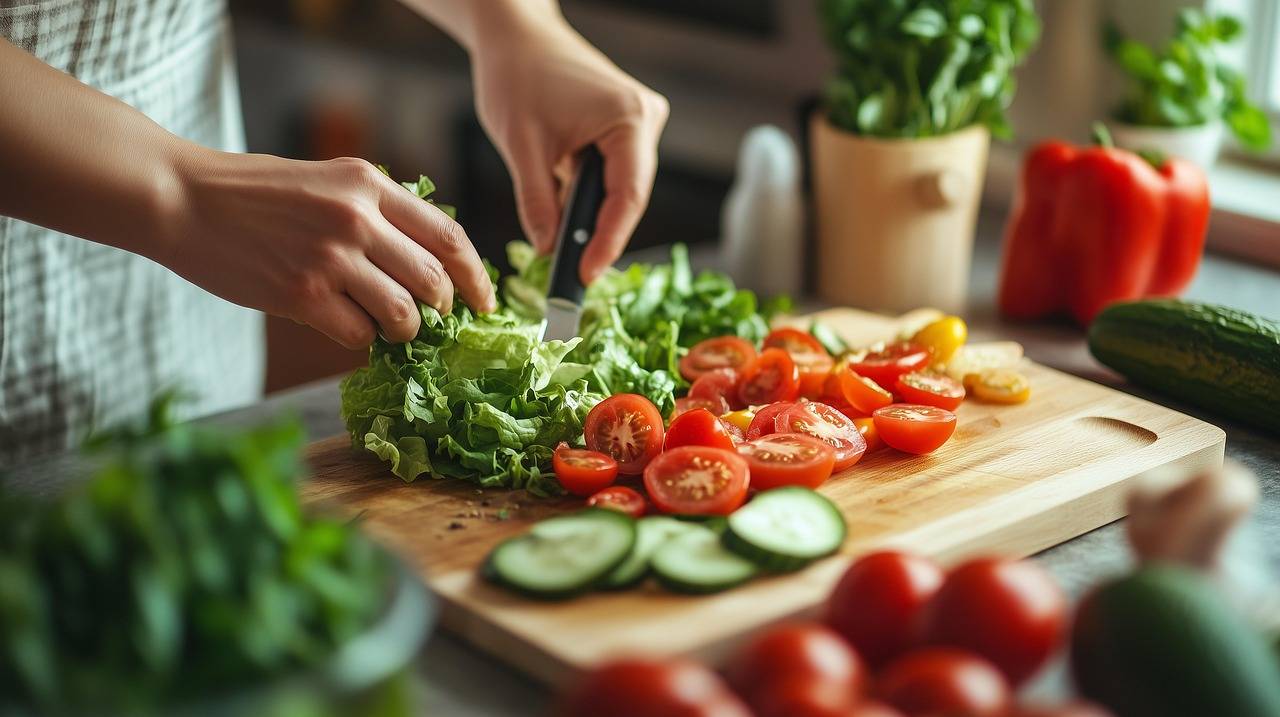

Tips for Sustainable Cooking
Adopting sustainable cooking practices is one of the most effective ways to reduce your personal environmental impact while simultaneously improving the quality and nutrition of your meals. Sustainability in the kitchen involves a holistic approach that considers how food is sourced, how energy is used during the preparation process, and how waste is managed. By making intentional shifts in daily habits, home cooks can contribute to a healthier planet and a more resilient food system.
Prioritizing Seasonal and Local Ingredients
The journey toward a sustainable kitchen begins long before the stove is turned on. Sourcing ingredients that are in season and grown locally is a pillar of eco-friendly cooking. When you purchase produce that's in season, you're likely buying food that hasn't traveled thousands of miles to reach your plate. This significantly reduces the carbon footprint associated with long-distance transportation and refrigerated shipping.
Supporting local farmers through markets or community-supported agriculture programs also helps preserve local biodiversity and strengthens the regional economy. And local produce is typically harvested at peak ripeness, meaning it is more nutrient-dense and flavorful compared to items picked early to ensure survival during transit.
Energy-Efficient Cooking Techniques
The way you use your cooking appliances and tools can play a significant role in your home's energy consumption. Sustainability involves selecting the most suitable tools and methods for each task. For instance, using a microwave or a toaster oven for small meals instead of preheating a full-sized oven can save electricity. When using the stove, matching the pot size to the burner prevents heat from escaping around the sides and being wasted. Keeping lids on pots while boiling water or simmering stews traps heat and moisture, allowing food to cook faster with less energy. And pressure cookers and slow cookers are excellent tools for efficiency; pressure cookers speed up the cooking process, while slow cookers use very low levels of power over a longer duration.
Reducing Food Waste Through Smart Planning
A staggering amount of food ends up in landfills, where it decomposes and produces methane. Sustainable cooking requires a commitment to minimizing this waste. Start by planning meals in advance and shopping with a specific list to avoid impulse purchases that might spoil before you can use them. This "inventory first" mindset ensures that you're buying to fill gaps in your pantry rather than overstocking.
Adopting a "root-to-stem" philosophy can also transform your perspective on ingredients. Vegetable scraps like carrot tops, onion skins, and celery ends can be collected in a freezer bag and used to create rich homemade stock. Stale bread can be turned into croutons or breadcrumbs, and overripe fruit is often perfect for smoothies or baking. When waste is unavoidable, composting provides a way to return nutrients to the soil rather than sending organic matter to a landfill.
Mindful Protein Consumption
The production of animal-based proteins typically requires more land, water, and energy than the production of plant-based alternatives. Transitioning toward a more plant-forward diet is a significant step in sustainable cooking. This doesn't necessarily require a complete move to vegetarianism; rather, it encourages treating meat as a flavoring or side dish rather than the central focus of every meal.
Focusing on the quality over the quantity of meat can also make a difference. Choosing pasture-raised or regeneratively farmed livestock to put on your grill often supports better soil health and carbon sequestration. Incorporating more legumes, grains, and nuts into your diet can provide high-quality protein with a significantly lower environmental impact. By swapping just one or two meat-based meals a week for lentil dal or chickpea stew, the collective impact on water conservation and greenhouse gas reduction can be substantial.
Building a Greener Future in the Kitchen
Sustainable cooking is a continuous process of learning and adaptation. It's about making better choices today than were made yesterday, whether that means choosing a local apple over an imported one or remembering to put a lid on a pot of pasta water. These small, consistent actions accumulate over time to make a meaningful difference for the environment.
Additional Resources
- Stop Food Loss and Waste
- Why Should We Care About Food Waste?
- Reducing Wasted Food at Home
- Sustainability and Food
- Small Steps to Stop Food Waste
- A Vegan Diet: Eating for the Environment
- Eco-Friendly Appliances in Kitchen Design
- Everything You Need to Know About Storing Perishable Food
- Sustainability and Healthy Diets
- High-Quality Refrigerators
- The Importance of Clean Cooking
- Reducing Food Waste in Your Kitchen
- Dishwashers and Trash Disposals
- Environmental Impact of Plant-Based Diets
- Plant-Based Diets and Their Impact on Health, Sustainability, and the Environment