









How to Stock a Refrigerator with Healthy Kid-Friendly Snacks
Providing children with nutritious snacks is more than just a way to curb hunger between meals; it is a practical strategy to stabilize their energy and focus throughout the day. When nutrient-dense options are the most visible and accessible items in the refrigerator, children are more likely to choose whole foods over processed alternatives. Transitioning to a fridge stocked with healthy staples reduces the daily friction of meal planning and ensures that even quick bites contribute to a child's overall growth and development. By organizing the kitchen around these healthy choices, parents can turn the refrigerator into a tool for teaching independence and better eating habits.
Tips for Success
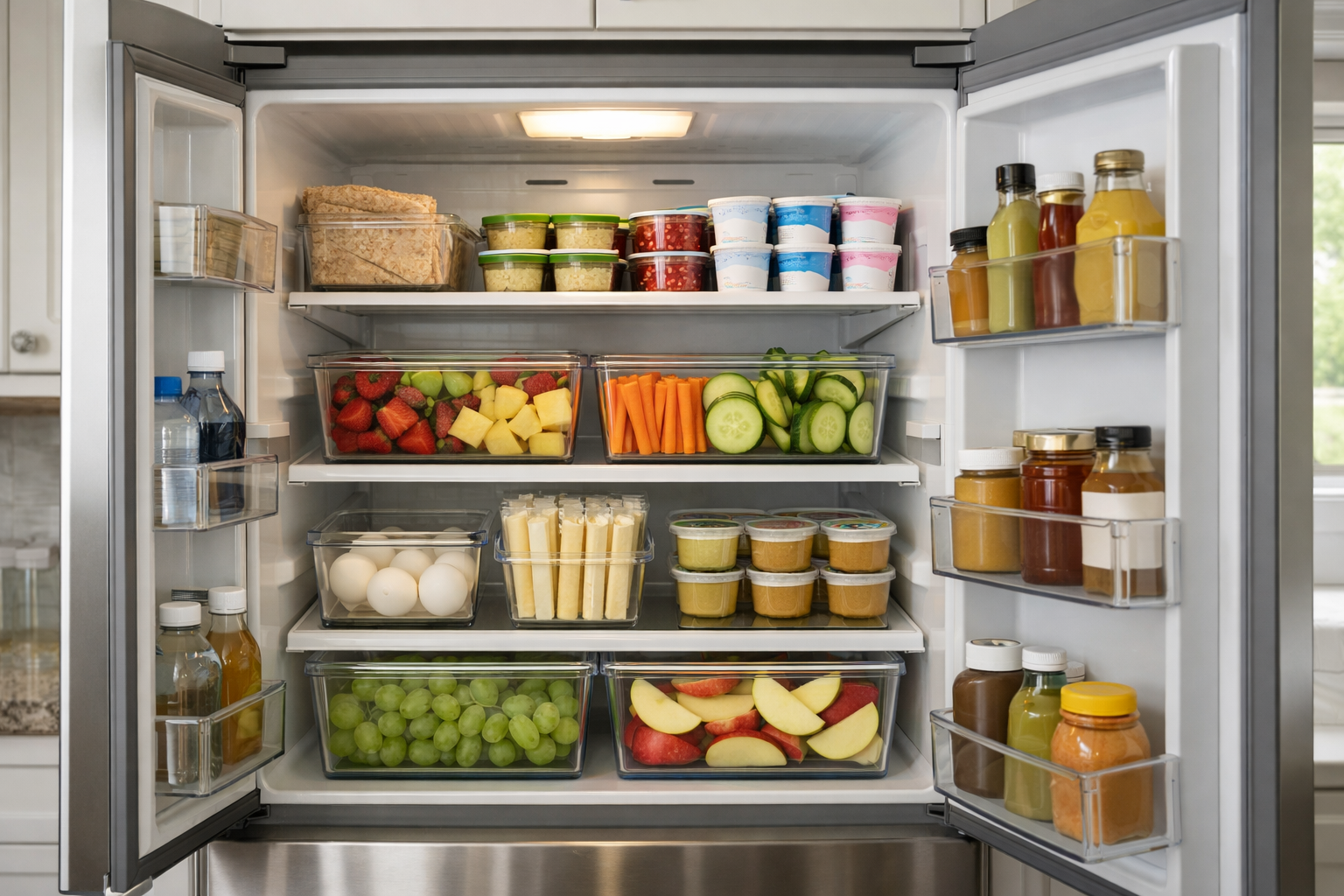
Maximizing the efficiency of a healthy fridge starts with intentional organization and preparation. Prepping ahead serves as the most effective way to ensure good food actually gets consumed; washing, peeling, and slicing fruits and vegetables immediately after grocery shopping removes the barrier of effort during a busy afternoon. Storing these items in transparent containers makes them immediately visible and more appealing to hungry children.
Clear labeling also benefits the overall organization of the fridge. Using dedicated bins for specific food groups, such as proteins or vegetables, helps children identify their options quickly and maintains order within the appliance. To ensure these snacks provide more than just a quick sugar burst, aim to combine food groups. Pairing a complex carbohydrate with a healthy fat or protein, such as serving apple slices with almond butter, slows digestion and provides sustained energy that keeps kids satiated until the next meal.
Fruits and Veggies
The key to ensuring consumption is to mimic the convenience of packaged goods. Keep pre-cut and cleaned staples, such as carrots, cucumbers, bell peppers, and melon cubes, ready for immediate consumption. To make raw vegetables more appealing, offer them with dips such as hummus, Greek yogurt ranch, or guacamole.
For variety, include other portable options, such as unsweetened fruit and vegetable applesauce pouches or fruit cups packed in juice rather than heavy syrup. When selecting processed options, it is helpful to take a closer look at fruit pouches to understand their sugar content and how it compares to that of whole fruit. Freeze-dried berries also offer a concentrated burst of flavor and a satisfying crunch that appeals to children who may be sensitive to the texture of fresh produce.
Dairy and Protein
Protein is essential for muscle growth and long-term satiety. Yogurt remains a versatile staple; look for lower-sugar Greek yogurt cups or convenient tubes that can be frozen for a chilled treat. Cheese provides a quick source of calcium and protein through string cheese, pre-sliced cubes, or small rounds of Gouda.
Keep a bowl of hard-boiled eggs on a middle shelf for an instant, high-protein snack that requires zero assembly during the week. For a more savory option, high-quality meats like nitrate-free turkey breast slices or miniature chicken sausages can be rolled up and eaten as a quick finger food. If you are looking for more variety, you can explore additional protein-rich snack and meal ideas to keep the rotation interesting.
Whole Grains and Carbs
Smart carbohydrates fuel active brains and bodies throughout the school day. Wraps are excellent for making mini quesadillas or turkey roll-ups that hold their shape well in the refrigerator. You can also bake a batch of nutrient-dense muffins using whole wheat flour and grated vegetables like zucchini or carrots. Crackers made from seeds or whole grains serve as a perfect vehicle for cheese slices or nut butter, providing a texture that satisfies children without the empty calories found in standard chips.
Homemade and Easy Prep
Brief periods of weekend assembly can significantly streamline cooking during the entire school week. Smoothies can be blended in large batches and stored in the fridge for up to 24 hours or frozen in individual portions to be thawed by snack time. You can also assemble your own snack packs in reusable bento-style containers, mixing cheese, whole-grain crackers, and grapes to create a balanced homemade snack box.
Another popular option is energy bites, which use a base of oats and nut butter to create a no-bake, protein-rich treat. While cold snacks are convenient, some parents also prepare nourishing warm lunches for kids that can be quickly reheated, ensuring they have energy to power through the colder months.
Storage Solutions
Proper equipment keeps food fresh and ensures it remains the first thing a child sees. Clear bins and drawers are essential; if children can see the vibrant colors of berries and peppers, they are far more likely to select them over hidden alternatives. Reusable kitchen containers, such as small tempered glass jars or silicone bags, help portion out snacks into single servings, preventing overeating and making it easy for kids to grab a snack and head outside. Finally, snack bags made from beeswax wrap or compostable materials offer an eco-friendly way to keep sandwiches and wraps from drying out while stored in the refrigerator door.
Additional Healthy Recipes
- Overnight Oats with Berries and Chia
- Greek Yogurt and Honey Fruit Dip
- Homemade Avocado Lime Hummus
- No-Bake Peanut Butter Protein Balls
- Chilled Quinoa Salad with Lemon and Herbs
- Hard-Boiled Egg and Avocado Salad
- California Caprese Skewers
- Cream Cheesy Cucumber Sandwiches
- Spinach Gruyere Instant Pot Egg Bites
- Berry-Kefir Smoothie
- Cold Soba Noodles with Sesame Dressing
- Healthier Macaroni and Cheese
- Grain-Free Turkey Cabbage Rolls
- Homemade Chia Seed Pudding with Mango
- Raw Veggie Jars with Herbed Dip Base