








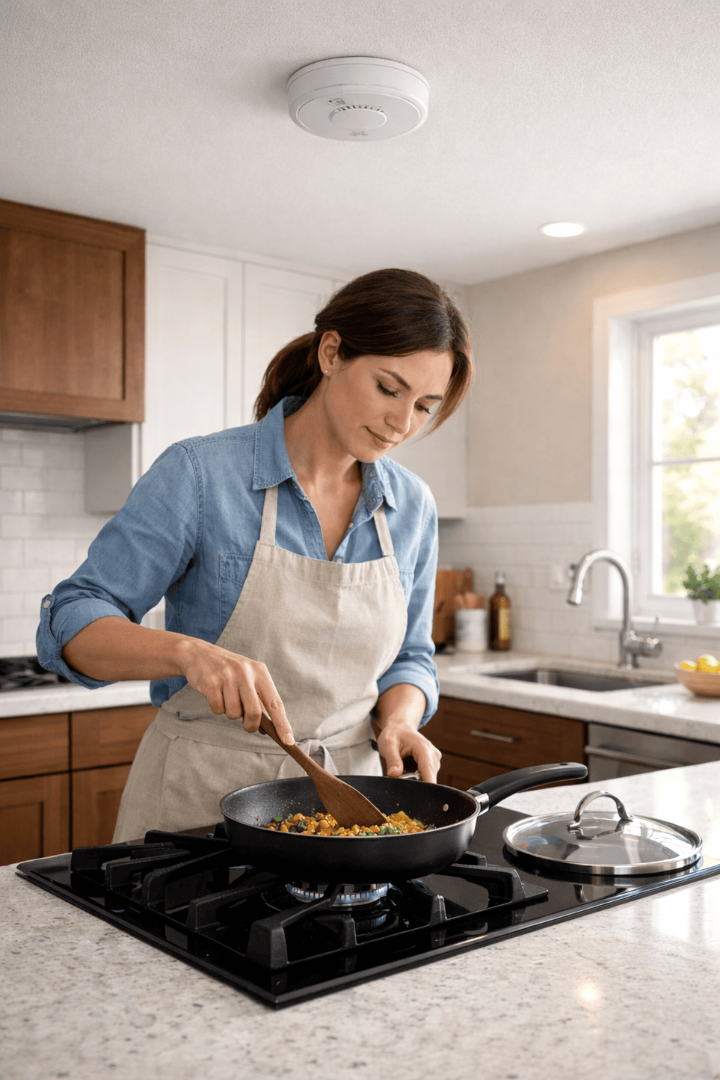

Home Cooking Fire Safety Tips
The kitchen is often described as the heart of the home. It's where we gather to share stories, experiment with new recipes, and prepare nourishing meals for our loved ones. However, this hub of creativity and connection is also the most common site for household emergencies.
According to the National Fire Protection Association, cooking remains the leading cause of home fires and fire injuries in the United States, with fire departments responding to hundreds of thousands of incidents annually. While these statistics can be daunting, most kitchen fires are entirely preventable. By understanding the risks and adopting a proactive safety mindset, you can protect your home and ensure that your culinary adventures remain joyful rather than hazardous.
Prevention: The First Line of Defense
Adopting a prevention-first mindset can help you make sure that a fire never starts in the first place. High-heat cooking involves volatile elements like oils and electricity, meaning a momentary lapse in judgment can escalate quickly. But integrating a few simple habits into your routine can drastically reduce the risk of an accident.
Stay Alert and Present
The most frequent cause of kitchen fires is unattended cooking. Whether you're frying, grilling, or broiling, remain in the kitchen at all times. If you must leave the room, even for a moment, turn off the stove. For longer processes like baking or roasting, use a loud timer and check the food regularly. And never cook if you are feeling drowsy or have consumed alcohol or medications that impair your judgment and reaction time.
Clear the Area
A cluttered countertop is a fuel source waiting for a spark. Keep flammable items such as oven mitts, wooden utensils, paper towels, food packaging, and curtains well away from the stovetop. Make sure that the area surrounding your burners is clear before you even turn on the heat.
Dress for the Occasion
Loose clothing can easily brush against a hot burner or dip into a flame. When cooking, wear short sleeves or tight-fitting clothing. If you have long hair, tie it back to prevent it from coming into contact with heating elements.
Manage Your Cookware
A simple but important habit is to turn pan handles toward the back of the stove. This prevents adults from accidentally bumping into them and keeps them out of reach of curious children who might try to pull a boiling pot down.
Appliance and Electrical Management
Small appliances are often overlooked fire hazards. Toasters, coffee makers, and air fryers can have internal malfunctions even when not in use. Make it a habit to unplug countertop appliances when they are finished with their task. Also, always double-check that the stove and oven are completely turned off before leaving the kitchen or heading to bed.
Maintain Cleanliness
Grease is highly flammable. Over time, splatters can build up on stovetops, inside ovens, and on exhaust filters. Regularly cleaning these surfaces removes a significant fuel source that could ignite during high-heat cooking.
The Three-Foot Rule
Establish a kid-free and pet-free zone of at least three feet around the stove and any areas where hot food is being prepared. This buffer zone protects vulnerable family members from splashes, steam, and accidental contact with hot surfaces.
If a Fire Starts
Despite our best efforts, emergencies can happen. Knowing exactly how to react in the first few seconds of a fire can mean the difference between a charred pan and a catastrophic house fire.
The correct response depends on where the fire is located.
Stovetop Grease Fires
If a pan catches fire while you are frying or sautéing, never use water to put it out. Water will cause the oil to splash and spread the flames instantly. Instead, carefully slide a metal lid or a baking sheet over the pan to starve the flames of oxygen, then turn off the burner. Leave the lid in place until the pan has completely cooled; removing it too early can allow oxygen to reignite the grease. Never attempt to carry a flaming pan to the sink or outside.
Oven and Microwave Fires
If a fire starts inside your oven or microwave, keep the door closed and turn the appliance off. By keeping the door shut, you starve the fire of oxygen, which should cause it to extinguish itself. If the fire doesn't go out or if smoke begins to fill the room, evacuate the house and call the fire department immediately.
Clothing Fires
If your clothes catch fire, remember the classic safety drill: stop, drop, and roll. Stop what you're doing, drop down to the ground, cover your face with your hands, and roll around on the ground until the flames are smothered.
When to Call Emergency Services
Knowing when to fight a fire and when to flee is a critical decision. Many people hesitate to call 911 because they feel they can handle the situation or don't want to bother the fire department. However, timing is everything.
You should call emergency services immediately if:
- The fire spreads. If the flames move beyond the original pan or appliance (e.g., catching the cabinets or curtains on fire), do not attempt to fight it.
- Smoke becomes thick. If the kitchen begins to fill with smoke, your visibility and oxygen levels will drop rapidly.
- You feel unsafe. If at any point you feel overwhelmed or the heat becomes intense, leave immediately.
If you need to evacuate your home, close the kitchen door behind you, if you have one. This simple act helps contain the fire and smoke, providing more time for everyone to get out. Once you have reached your designated meeting place outside, call 911 from a cell phone or a neighbor's house. Never go back inside a burning building for any reason.
Smoke Alarms and Early Detection
A fire can double in size every minute, making early detection a literal lifesaver. Smoke alarms should be installed on every level of your home, inside every bedroom, and outside sleeping areas. To avoid nuisance alarms caused by steam or normal cooking vapors, make sure that your kitchen-adjacent smoke alarm is installed at least 10 feet away from cooking appliances.
Test your alarms once a month by pressing the "test" button. If your alarms use 9-volt batteries, replace them at least once a year. And remember that smoke alarms do not last forever; the entire unit should be replaced every 10 years to make sure that the sensors remain sensitive and functional.
Additional Fire Safety Resources
- Cooking Fire Safety
- Cooking Safety
- Fire Safety for the Home
- Home Fire Safety
- Prevent Cooking Fires to Protect Your Home
- Cooking Fire Safety
- How to Prevent Fires in Your Kitchen
- Fire Safety Tips
- Refrigerators
- Cooking Safety for Older Adults
- Food Safety: Kitchen Fires
- Kitchen and Electrical Safety
- Cooking Fire Prevention
- Cooking Appliances
- Preventing Kitchen Fires
- Cooking Fire Safety
- Prevent Kitchen Fires
- Kitchen Fire Safety
- Outdoor Grills
- Home Cooking Fire Prevention
- Fire Safety in the Kitchen
- Kitchen Cleanup Appliances
- Kitchen Fire Prevention Facts
- Fires in the Kitchen