









Home Appliance Energy Efficiency Guide
If you live in a typical home, you probably don't think much about your energy bill until it arrives in your inbox or mailbox. It's easy to ignore the hum of the fridge or the sound of the dishwasher running, but those everyday machines are actually the biggest reason your utility costs might be creeping upward. Most people realize that leaving all of the lights on is a waste, but the real heavy lifting and the real cost come from the big appliances that run in the background. Understanding how to manage these machines can help you lower your energy bills every month.
Understanding the Energy Impact
Every appliance in your house has a specific power demand, and some are much hungrier than others. In a typical home, the systems that control temperature, such as your refrigerator and water heater, tend to use the most energy because they must run constantly or cycle on and off throughout the day. When you shop for new appliances, looking at the yellow EnergyGuide label is the best way to compare models. This label indicates approximately how much it will cost to operate that specific appliance for a year. This allows you to see which appliances will be cheaper to own over the long term, even if the upfront price is slightly higher.
Kitchen Efficiency: The Refrigerator
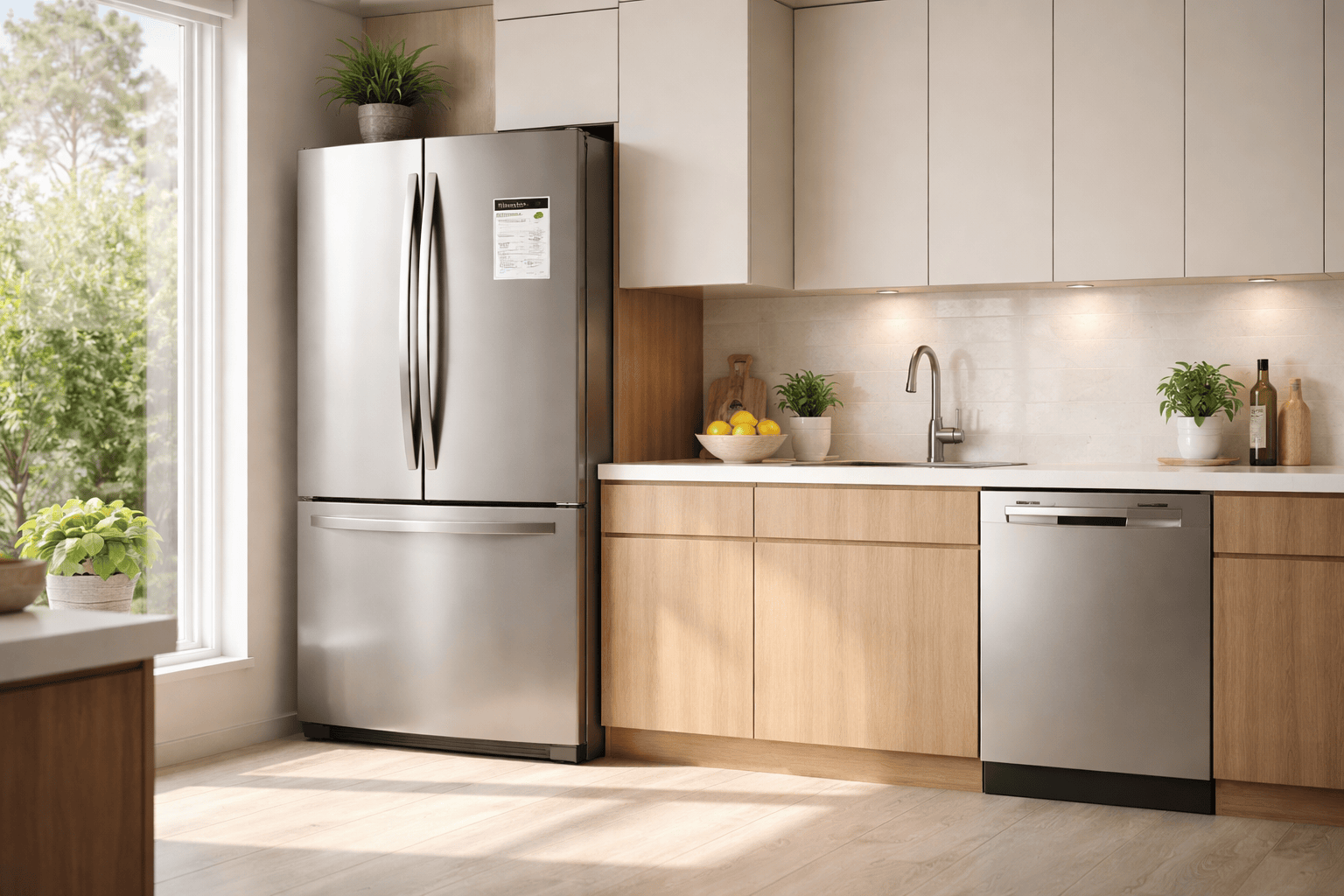
The refrigerator is often the biggest energy user in the kitchen simply because it never takes a break. To keep it running efficiently, make sure the door seals are tight. You can check this by closing the door on a piece of paper. If you can pull the paper out easily, the seal is loose and cold air is escaping. It's also a good idea to keep the coils at the back or bottom of the unit clean. Dust buildup makes the motor work much harder to maintain a cold temperature. If you have an old fridge in the garage for extra drink storage, consider getting rid of it. Older refrigerators are often massive power drains that can add hundreds of dollars to your annual energy costs.
Washing and Drying Strategy
Laundry is another area where small changes can lead to big savings. Most of the energy used by a washing machine is used to heat the water. Switching to cold water cycles for most loads can save a lot of power without sacrificing cleanliness. When you run the dryer, try to run full loads to make the most of the heat, but avoid overfilling it: Air needs to circulate to dry the clothes properly. Cleaning the lint filter after every single load is a simple habit that keeps the machine running safely and efficiently. If you have the space, air-drying clothes on a rack or line is the ultimate way to save energy in the laundry room.
Dishwasher Best Practices
Many people believe that hand-washing dishes saves water and energy, but modern dishwashers are actually much more efficient than the average person washing dishes at a sink. To maximize efficiency, only run the dishwasher when it's completely full. Most units also have an "eco" or "light wash" setting that uses less water and lower temperatures. One of the best tips is to turn off the heated dry cycle: Just let the dishes air dry by cracking the door open once the wash cycle is finished. This single change can significantly reduce your dishwasher's power consumption.
The Importance of Maintenance
Regular maintenance is what keeps any home running smoothly. For example, replacing the filters in your furnace or air conditioner every few months ensures that air flows freely through the system, maintaining optimal performance. In the kitchen, making sure your oven door closes properly prevents heat loss during baking. And if you have ceiling fans, keep their blades clean and turning in the correct direction for the season to keep them running efficiently and effectively.
Making Smart Choices for the Future
Switching to more efficient technology does not have to happen all at once. As older appliances wear out, replacing them with models that have a high efficiency rating ensures that your home becomes cheaper to run over time. By combining better equipment with simple daily habits, you can take control of your energy use and create a more sustainable living space.
Additional Resources to Learn More
- Estimating Appliance and Home Electronic Energy Use
- Six Energy Efficiency Improvements That Make a Big Impact
- Moving the World Toward Efficient Appliances
- How Appliance Efficiency Standards Create Jobs
- 10 Energy-Wasting Habits at Home (and How to Fix Them)
- Selecting the Right Appliance for Your Home to Save Energy
- How to Buy an Energy Efficient Home Appliance
- Appliances and Electronics That Save Energy
- Electric Appliances Can Reduce Energy Consumption
- What Appliances Use the Most Electricity?
- High-Quality Kitchen Appliances
- Understanding Energy Efficiency