








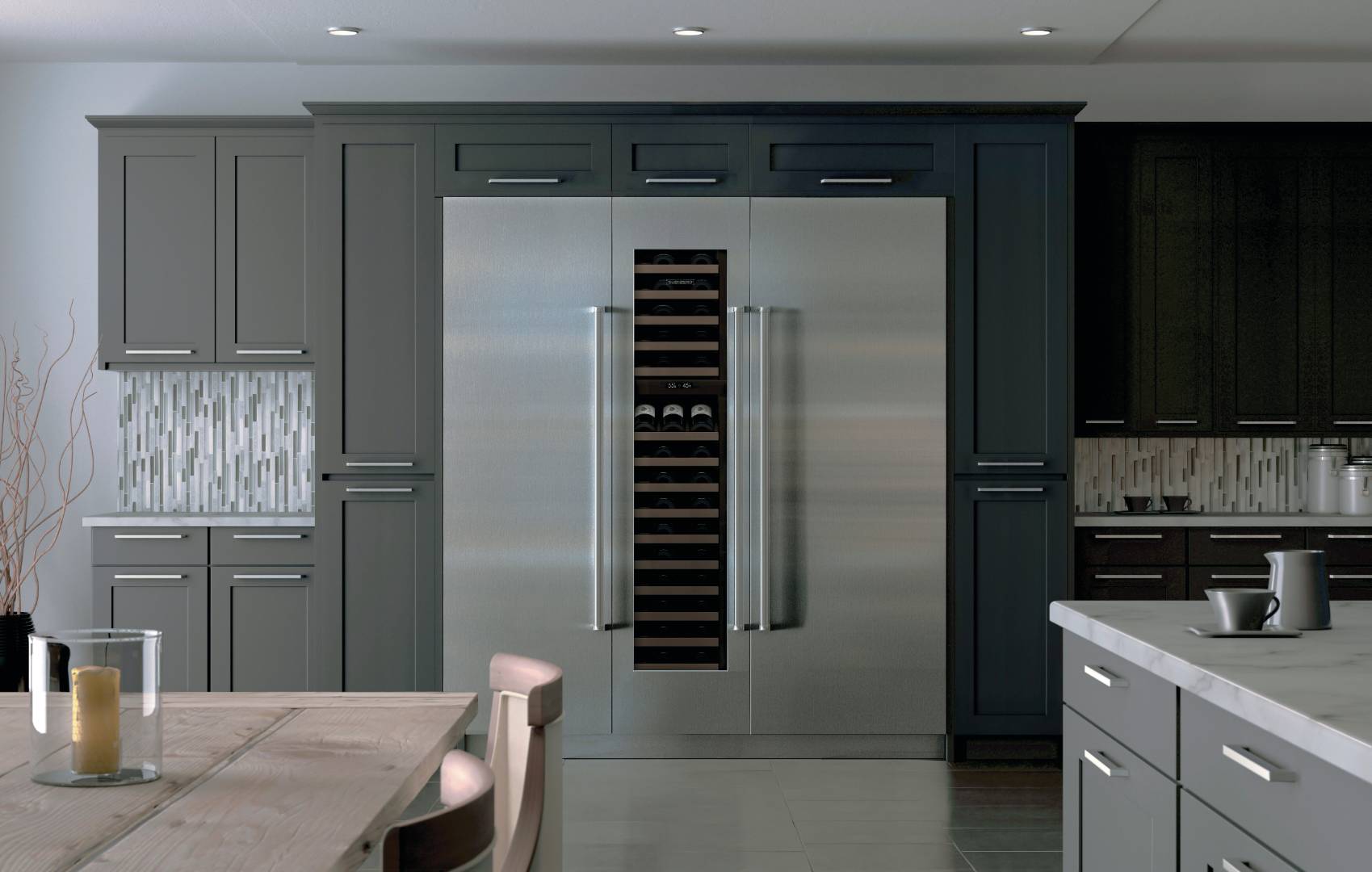

The Ultimate Guide to Sub-Zero Appliances in Miami
In Miami, the kitchen is more than a room—it’s a centerpiece. Whether you’re designing a Brickell high-rise condo, renovating a Coral Gables estate, or managing a multi-unit luxury project, your refrigeration needs to do two things well: perform at a high level and blend beautifully into the space. That’s why Sub-Zero stays a go-to across South Florida. It delivers serious refrigeration performance, integrates seamlessly into high-end kitchen design (especially panel-ready layouts), and holds its value when you plan the project carefully.
Dive in and move confidently through the design process—from choosing the right Sub-Zero setup to planning the details that keep your project on track, coordinating delivery and installation, and setting yourself up for smooth long-term ownership.
Key Takeaways
- Choose the right format for your space, whether that is built-in, columns, or undercounter
- Confirm the essentials early, including cutouts and clearances, panel-ready details, electrical readiness, and service access.
- Stay on schedule by getting help with specs, delivery, and installation coordination when needed.d
Choosing the Right Appliance for Miami Homes and Condos
The proper Sub-Zero setup depends on your layout, your lifestyle, and a few Miami-specific constraints—so it pays to choose with the full picture in mind.
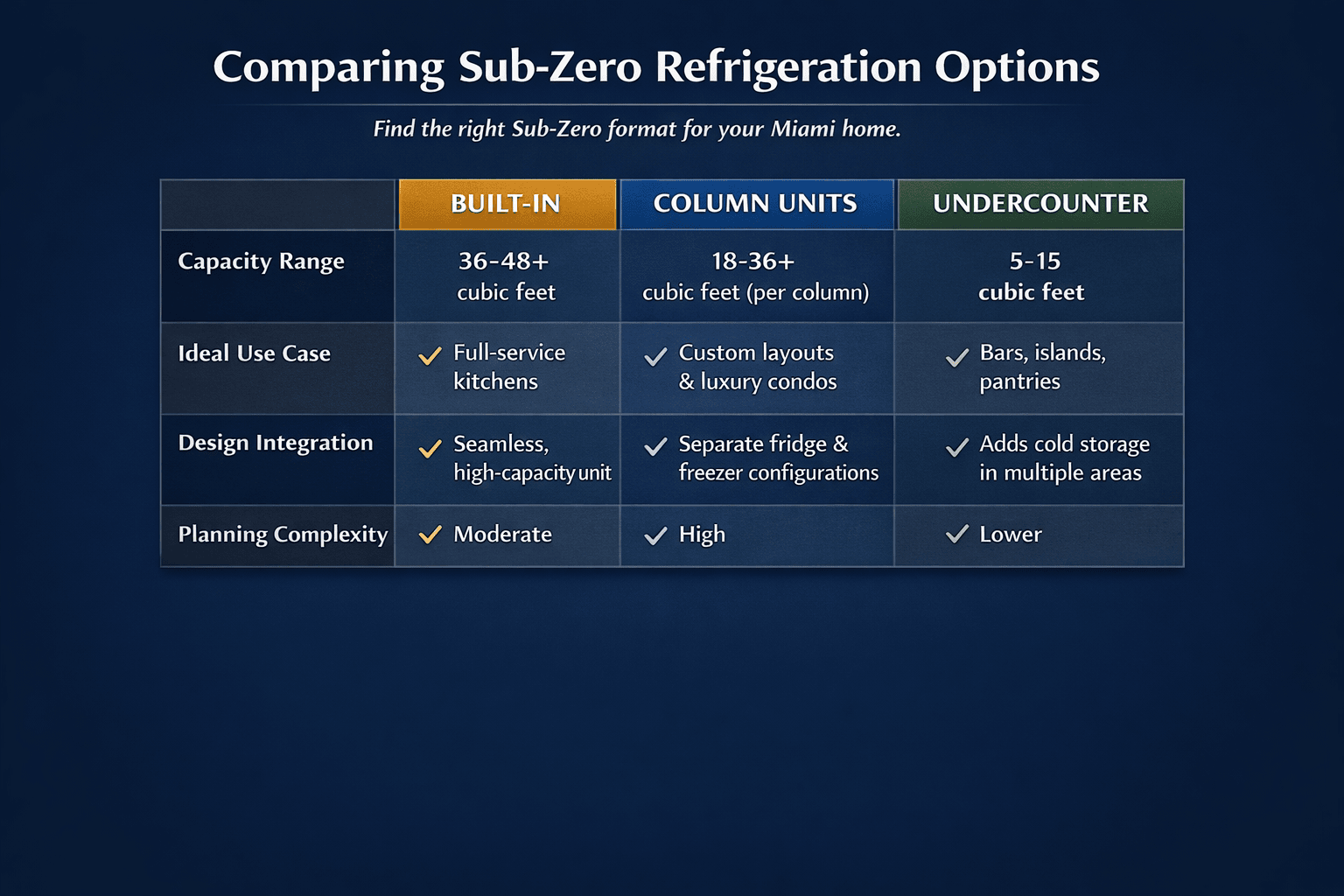
Built-In vs. Columns vs. Undercounter
When you’re choosing between Sub-Zero formats, start by thinking about how you use your kitchen every day—then match the layout to your space and design goals.
Built-in refrigeration is best for full-service kitchens when you want a single high-capacity unit that feels seamless and intentional. It fits full renovations and new builds exceptionally well because you can design the cabinetry around the appliance from the start.
Column refrigeration and freezer setups offer greater flexibility and design control. Columns let you separate refrigeration and freezing into different units (or double up for larger households), which supports symmetry and modern layouts—an ideal match for many Miami luxury condo kitchens.
Undercounter refrigeration is the “Miami lifestyle multiplier.” Use it to add function where you need it most, such as:
- Beverage zones in open-concept kitchens
- Entertaining spaces with multiple prep areas
- Secondary cold storage near an island or bar
- Condos where you want more capacity without changing the main kitchen footprint
Once you choose a format, pick the finish that matches your design and timeline:
- Panel-ready blends into the cabinetry for a clean, custom look.
- Stainless makes a statement and often simplifies projects that don’t include custom millwork—or need to move quickly.
Miami-specific constraints to factor in
Miami projects come with a few planning realities that don’t show up in generic appliance guides:
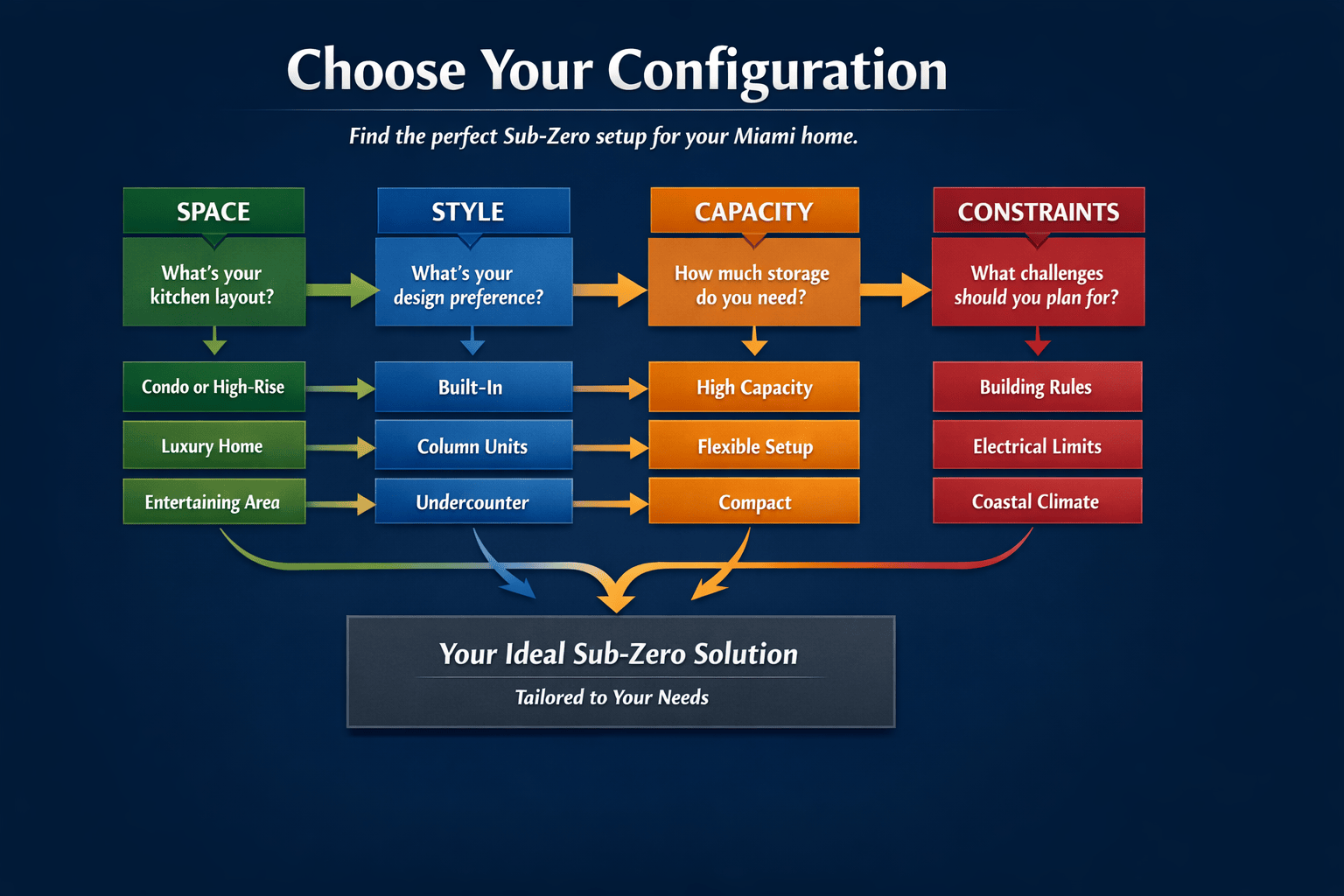
1. Condo Logistics Shape Your Schedule
Many buildings require freight elevator reservations, COIs, strict delivery windows, and specific access rules. Limited staging space can affect how you sequence delivery and installation.
2. High-Rises May Limit Electrical or Ventilation Options
You don’t need to memorize specs—confirm early that your building and kitchen plan support the configuration you’re choosing.
3. Coastal Conditions Raise the Bar for Upkeep
Humidity and salt air are part of daily life in Miami Beach and other coastal areas. Sub-Zero appliances aim for premium performance, but smart placement and consistent care matter more the closer you are to the water.
Sub-Zero Product Categories You’ll See Most in Miami
Instead of getting stuck on specific model names (which change), focus on the categories Miami homeowners and project teams choose most often—and what each one does best. This strategy is constructive when you’re planning a full kitchen upgrade and want refrigeration to coordinate cleanly with wall ovens, cooktops, ranges, and dishwashers.
Full-Size Refrigeration
This category is the foundation of most luxury kitchens. In Miami, full-size Sub-Zero setups show up most often in:
- Custom renovations involve rebuilding cabinetry
- New builds where appliance planning starts early
- High-end condo upgrades where a seamless look matters
Choose built-ins when you want one primary unit with substantial capacity and a clean, integrated presence. Go with columns when you want a more customized layout—like separate refrigerator and freezer columns, or a larger refrigeration footprint for households that cook and entertain often. Just make sure the surrounding cabinetry depth and clearances support the configuration you select.
Undercounter Refrigeration
Undercounter units fit how you use Miami kitchens: lots of hosting, lots of movement, and a need for cold storage in multiple spots. Popular uses include:
- Beverage centers for wine, sparkling water, and mixers
- Refrigerator drawers for ingredients near the island
- Extra cold storage to keep guests out of the main work zone
If you’re planning a bar area, pantry kitchen, or secondary prep zone, undercounter refrigeration adds convenience without requiring a full redesign.
Preservation-Focused Options (When They Make Sense)
If wine storage or specialty preservation is part of your lifestyle—or part of the design brief—consider dedicating a zone to it. These types often make sense for:
- Condo kitchens designed for entertaining
- Homes with a bar or lounge space
- Projects where long-term kitchen value is a priority
If you want help mapping these categories to your space, a local appliance company can help you coordinate the full suite so everything looks intentional and works together.
Miami Planning Checklist Before You Buy
Sub-Zero projects stay on schedule when you plan precisely. Most delays don’t come from the appliance—they come from the space not being ready when it arrives.
Confirm Measurements, Access, and Fit
Before you order, confirm:
- Cutout accuracy (the opening matches the unit specs)
- Door swing and nearby wall conflicts
- Toe-kick/trim alignment for a finished, built-in look
- Path of entry (the unit can physically reach the kitchen)
In Miami, this is a common issue: everything looks right on paper, then the unit can’t make a hallway turn, or doesn’t fit the elevator. Checking access early can save weeks.
Also, don’t forget the “small” details that affect real-world fit—like cabinet depth and how surrounding trim and panels change final clearances.
Coordinate Panel-Ready Details (If applicable)
Panel-ready kitchens look seamless—but only when the details line up. Make sure you coordinate:
- Panel requirements with your cabinet maker’s process
- Millwork and finishing lead times
- Sequencing (when panels are ready relative to delivery and installation)
Verify Site Readiness
Keep it simple. Confirm:
- The electrical plan supports your chosen configuration
- The consideration of any plumbing needs (when applicable)
- The site is ready on delivery day (floors protected, rough-ins correct, finishes complete)
The goal is to avoid “We’ll figure it out when it gets here.”
Plan for Long-Term Service Access
Service access is easy to overlook, but it matters in the long term. Confirm:
- Clearance for future service and removal
- Elevator access requirements for technicians
- Protection plans for finished floors and walls
Pricing and Value in Miami
Once you narrow down your ideal configuration, a few cost drivers help you budget accurately and avoid last-minute surprises.
What Drives Sub-Zero Pricing
Sub-Zero pricing depends on a few practical factors, including:
- Format (built-in vs. columns vs. undercounter)
- Size and layout
- Finish (panel-ready vs. stainless)
- Installation and delivery complexity (especially in high-rises)
Miami building access rules and tight delivery windows can add complexity—another reason early planning pays off.
How to Buy Smarter (Without Cutting Corners)
Buying smart is about making the right choices upfront so you don’t pay for changes later.
If you’re designing a cohesive luxury kitchen suite, bundling can simplify decisions and keep the look consistent. When you’re upgrading multiple zones at once, pairing Sub-Zero + Wolf + Cove often makes sense.
Also, keep the full scope in mind: the appliance price isn’t the whole project cost. Delivery constraints, installation conditions, and site readiness all influence the final investment.
Getting a Confident Quote
To get an accurate quote (and avoid surprises later), gather:
- Plans or measurements—especially cutouts and clearances
- Your design intent (panel-ready vs. stainless)
- Building constraints (delivery rules, COIs, elevator scheduling)
- Your project timeline and sequencing
The clearer the inputs, the smoother the process.
Why Buy Sub-Zero in Miami Through Drimmers
Sub-Zero is a premium choice, but the real win comes from the planning around it. When you match the format to your space, confirm the details early, and coordinate delivery and installation with Miami’s building realities in mind, the whole process runs smoother—and the finished kitchen looks and performs the way it should.
Ready to move forward? Contact Drimmers today and let our team help you find the right configuration, share clear information on fit and requirements, and check current availability—with the kind of care you’d expect from a family business.
FAQs About Sub-Zero Appliances in Miami
1. Is Sub-Zero a good fit for Miami condos and high-rises?
Yes—especially if you plan around building logistics early. Confirm delivery rules, elevator scheduling, and service access to keep everything smooth.
2. How far in advance should I plan for delivery and installation during a renovation?
Start planning as soon as you finalize the layout, and confirm cutouts, access, and site readiness. Condo delivery restrictions can add extra lead time.
3. If I live near the coast, what should I consider about salt air and humidity?
Coastal conditions make regular exterior cleaning and consistent upkeep more critical. Smart placement and routine care help protect long-term performance.
4. What is the typical lifespan of a Sub-Zero refrigerator?
With proper installation and regular maintenance, Sub-Zero is known for a long service life—one reason many owners view it as a long-term investment.