








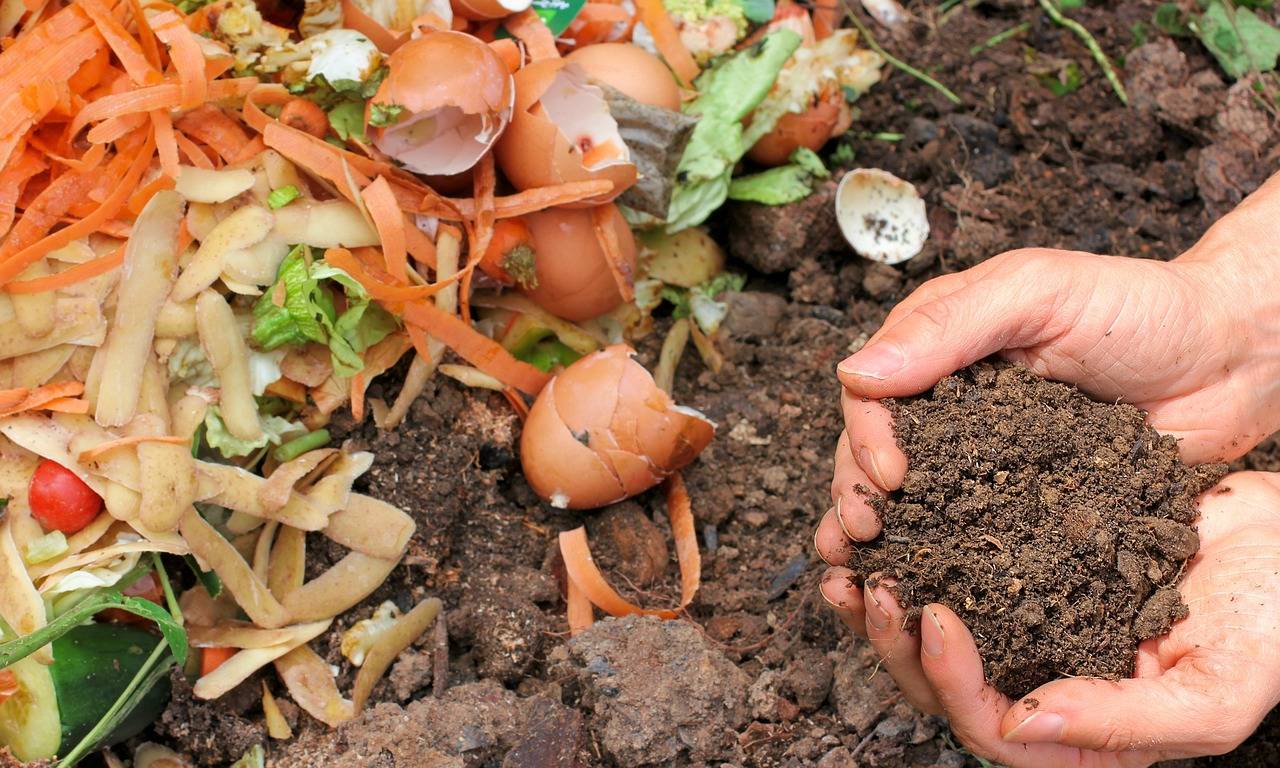

Composting With Kitchen Scraps
Transforming kitchen waste into nutrient-rich soil is one of the most impactful habits a person can adopt to support the environment. While many people view food scraps as simply trash, this material is actually valuable organic matter that can be repurposed to nourish the earth. By composting at home, you significantly reduce the amount of methane-producing waste sent to landfills and create a natural fertilizer that improves soil health in gardens and houseplant pots.
Composting organic matter is basically a modern take on nature's original recycling system. In a natural forest environment, fallen leaves and organic debris don't just sit there: They're broken down by fungi, bacteria, and insects. By starting a compost pile in your own space, you are mimicking this cycle. Instead of letting kitchen scraps, such as onion skins or coffee grounds, rot in a plastic bag at a landfill, where the lack of oxygen causes them to release methane, you're giving that organic matter the air and moisture it needs to decompose into something productive. When you return the finished compost to the earth, it improves the soil's structure, ability to hold water, and overall resilience against erosion and pests.
The Science of the Compost Pile
Composting is essentially the process of managed decomposition. To be successful, a compost pile needs a balance of four main elements: carbon, nitrogen, water, and oxygen. In the world of composting, these are often simplified into two categories: "browns" and "greens."
- Brown Materials (Carbon): These provide the energy source for the microbes breaking down the pile. Browns include dry, woody materials like cardboard, shredded newspaper, dead leaves, straw, and sawdust. A healthy pile usually requires more browns than greens to keep it from becoming too wet or smelly.
- Green Materials (Nitrogen): These provide the nutrients necessary for microbial growth. Greens include most kitchen scraps, such as fruit and vegetable peels, coffee grounds, and tea leaves, as well as fresh grass clippings. Because greens have a high moisture content, they help keep the pile active.
What to Include and What to Avoid
Success in home composting starts with understanding what can safely go into your bin. Most plant-based kitchen scraps are excellent candidates. This includes apple cores, banana peels, eggshells, and even old flowers.
However, some items should be excluded from a standard home compost bin to avoid attracting pests or creating unpleasant odors, such as meat, poultry, fish, and dairy products. Oils and greasy foods should also be excluded because they can slow down the decomposition process and smell bad. Additionally, while pet waste from herbivores like rabbits is fine, waste from cats and dogs should never be used, as it may contain harmful pathogens.
Selecting Your Composting Method
There is no one-size-fits-all approach to composting. The method you choose depends on your living situation and the amount of space you have available.
- Backyard Bin: If you have outdoor space, a stationary bin or a tumbler is a great choice. Tumblers make it easy to rotate the pile, which aerates the materials and speeds up the decomposition process.
- Vermicomposting: For those in apartments or small homes, worm composting is an efficient indoor option. Using specific types of worms, such as red wigglers, allows you to break down kitchen scraps quickly in a small, self-contained system.
- Bokashi: This is a fermentation process that happens in a sealed bucket. It's unique because it can handle items that traditional piles cannot, such as small amounts of dairy or cooked food.
Maintaining a Healthy Pile
A successful compost pile requires regular attention. Oxygen is a key ingredient, so you should turn your pile with a pitchfork or shovel every week or two. This ensures that the aerobic bacteria have the air they need to do their work. If the pile is too dry, it will stop decomposing, so keep it damp: It should feel like a wrung-out sponge. If it's too wet, it may start to smell, which usually indicates that you need to add more brown materials, such as dry leaves or shredded paper.
Over time, the materials at the bottom of the bin will transform into a dark, crumbly substance that looks and smells like fresh earth. This material is ready to be mixed into your garden beds or sprinkled on top of your lawn to provide a steady stream of nutrients for your plants.
Choosing the Right Method for Your Lifestyle
Deciding which composting method to adopt ultimately depends on your physical space, your available time, and how much organic waste your household produces. There's no single best way to compost. The most effective method is the one you can realistically maintain as part of your routine.
- The Backyard Enthusiast: If you have a yard and enjoy gardening, a standard bin or tumbler is the most natural fit. This method enables you to process large amounts of waste, including yard debris such as grass and leaves, which can overwhelm smaller systems. It requires the most physical space but offers the highest yield for landscaping projects.
- The Urban Dweller: For those living in apartments or homes without a yard, vermicomposting is usually the gold standard. A worm bin is compact enough to fit under a kitchen sink or in a closet, and because red wigglers are highly efficient, they can process food scraps without creating any odors. It's a fascinating, self-contained ecosystem for anyone interested in a set-it-and-forget-it indoor approach.
- The Small-Space Minimalist: If you want a quick way to handle food waste without managing a living colony of worms, bokashi is an excellent alternative. Because it uses fermentation in a sealed container, it's ideal for individuals who prefer not to worry about fruit flies or balancing browns and greens. It's also the best choice for households that want to compost small amounts of dairy or leftover meat from the grill, which are typically off-limits for other home systems.
By selecting the method that aligns with your living situation, you can turn a chore into a seamless part of a sustainable lifestyle. Regardless of the system you choose, the end result is the same: less waste in the landfill and a healthier planet.
Additional Resources to Learn More
- Composting at Home Guide
- Small-Scale Composting
- Composting 101
- Getting Started With Composting
- Home Composting Basics
- The Science of Composting
- How to Compost at Home
- Cooking Appliances
- Organic Gardening Practices
- Vermicomposting for Beginners
- Composting in the Home Garden
- Three Methods for No-Turn Cold Composting
- Kitchen Compactors and Disposals
- Bokashi: A Compost Alternative
- High-Quality Refrigerators
- Vermicomposting for Households
- The Benefits of Composting, Reusing, and Recycling Nutrients for Agricultural Productivity